Sustainability has become one of the most important conversations in architecture and construction—but for Thermory, it’s been at the core of everything we do for decades.
Today, it’s easy for products to be labeled “eco-friendly” or “green.” What’s harder is finding materials backed by transparent practices, measurable results, and long-term performance.
At Thermory, sustainability isn’t a marketing claim. It’s built into every board we produce, from how we source our lumber to how we modify it, transport it, and design it to last for decades.
Here’s what sustainable wood should really look like.
Naturally Modified. Nothing More.
Many exterior building materials rely on chemicals, plastics, or synthetic additives to improve durability. We have always taken a different approach.
Every Thermory board is thermally modified using only heat and steam—no chemicals, preservatives, plastics, or toxic treatments. Our process permanently improves the wood’s dimensional stability and natural resistance to rot while enhancing its rich color and beautiful grain.
The result is real wood that performs naturally, without introducing unnecessary chemicals into the environment.
Thermory is Responsibly Sourced, Never from Rainforests
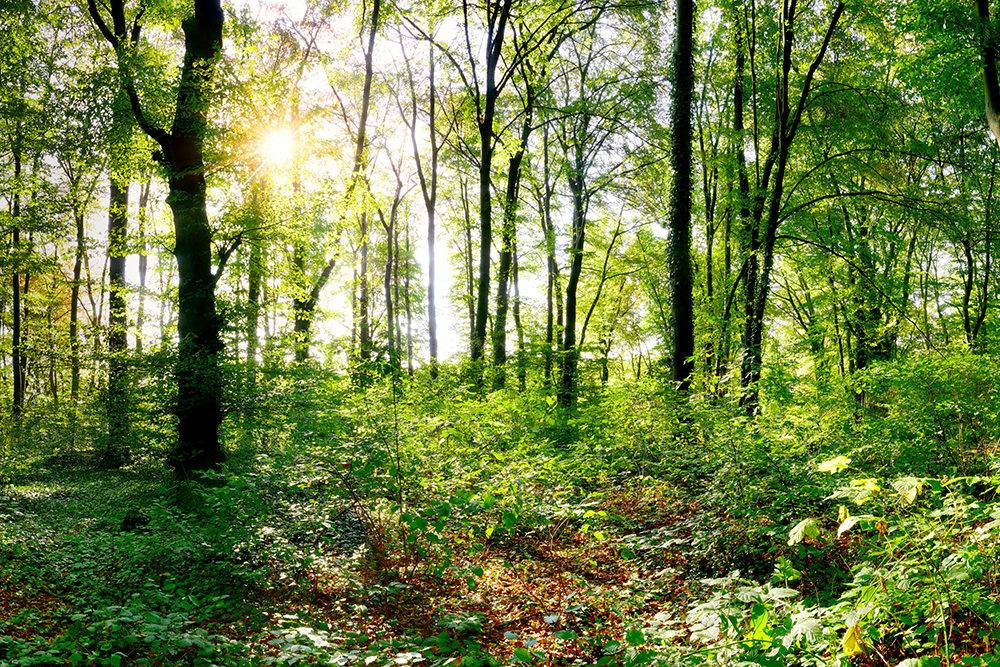
Exceptional wood starts with responsible forestry.
None of Thermory’s lumber is harvested from rainforests or environmentally threatened forests. Instead, we source wood globally from responsibly managed forests where regeneration can naturally keep pace with harvesting.
This diversified sourcing strategy helps:
- Protect biodiversity and forest health
- Build resilience against pests and environmental threats
- Ensure consistent access to high-quality lumber
- Reduce pressure on any single forest ecosystem
Every board is carefully selected, inspected, and prepared to maximize performance while minimizing waste.
Thermory is a Sustainable Alternative to Tropical Hardwoods
Designers often love the rich appearance of tropical hardwoods but sourcing them can come with significant environmental concerns.
Thermory offers the same premium hardwood aesthetic without contributing to rainforest depletion.
Our thermally modified hardwoods deliver:
- Rich, natural color
- Exceptional durability
- Chemical-free performance
- 25+ years of rot resistance
- Simple installation and long-term reliability
It’s a better solution for projects where beauty and environmental responsibility need to work together.
Less Waste. Longer Life. Lower Carbon Footprint.
One of the most overlooked parts of sustainability is longevity.
The longer a material performs, the fewer resources are needed to repair or replace it.
Our thermal modification process significantly extends the service life of natural wood, while innovative features like our Joint End Matched (JEM) profiles reduce installation waste by allowing board joints between joists. Depending on the project and expertise, we recommend factoring 5-10% waste; lower than the average 15% or more.
Sustainability doesn’t stop once a board leaves the factory.
After thermal modification in our Estonian production facilities, Thermory products are transported primarily by water—the most fuel-efficient form of freight transportation available.
Combined with continuous operational improvements, these efforts contributed to a 12% reduction in Thermory’s Scope 1 and Scope 2 CO₂ emissions between 2021 and 2023.
That progress reflects ongoing investments in sustainable energy, waste reduction, smarter manufacturing, and circular design practices across our organization.
Sustainable Design in Action
Choosing sustainable materials doesn’t mean compromising on design. Some of our favorite projects show exactly how thoughtful architecture and responsible materials can complement one another.
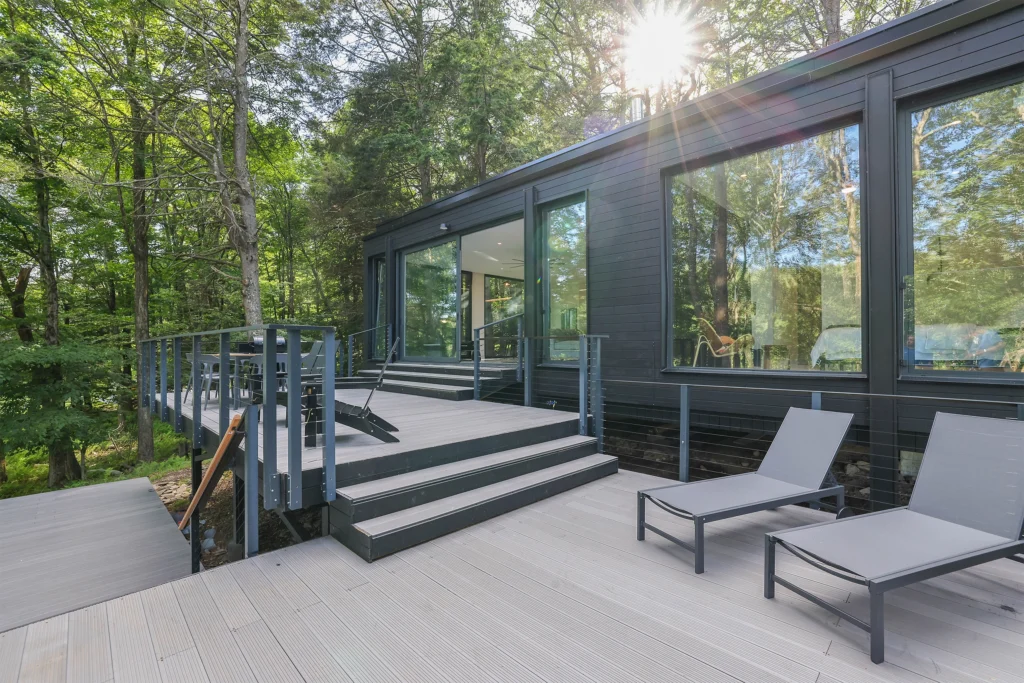
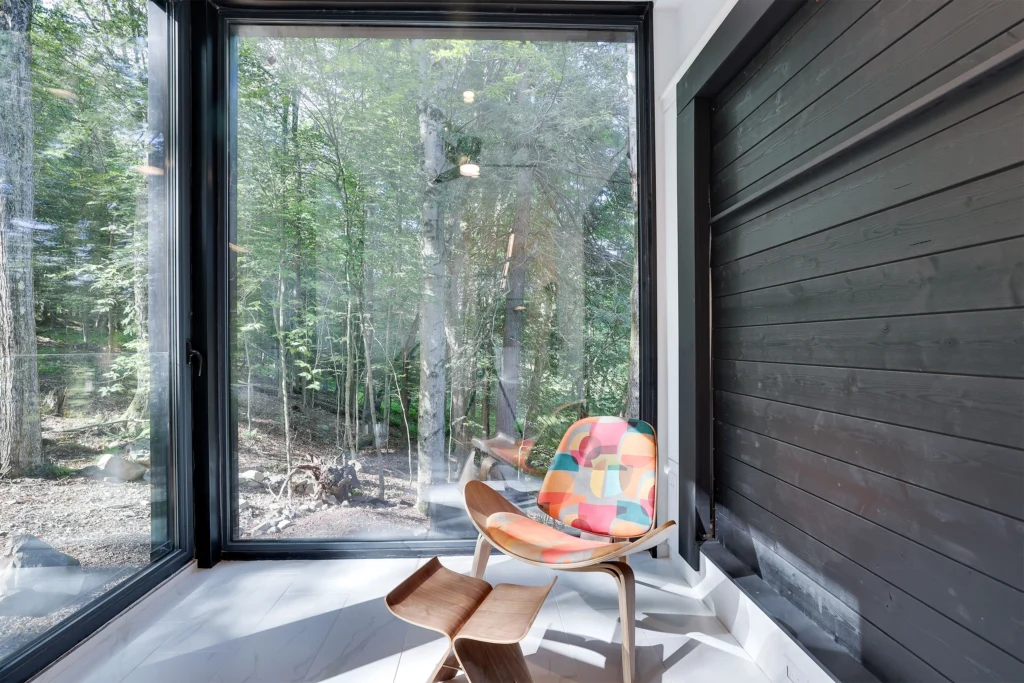
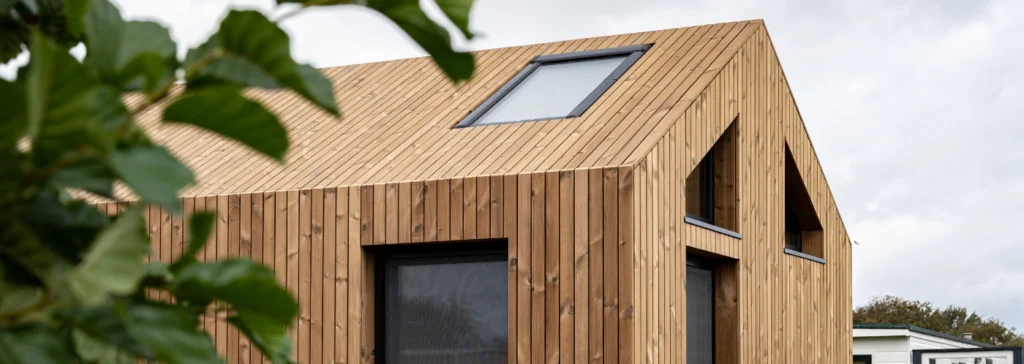
Nestled in Pennsylvania’s Pocono Mountains, Camp Double Oak was designed to blur the line between architecture and nature. Wrapped in our shou sugi ban-inspired cladding, the cabin embraces a biophilic design philosophy that prioritizes natural materials, durability, and minimal maintenance.
By selecting thermally modified wood, architect Anthony Weber created a home that not only complements its forest surroundings but also supports a lasting connection between people and nature.
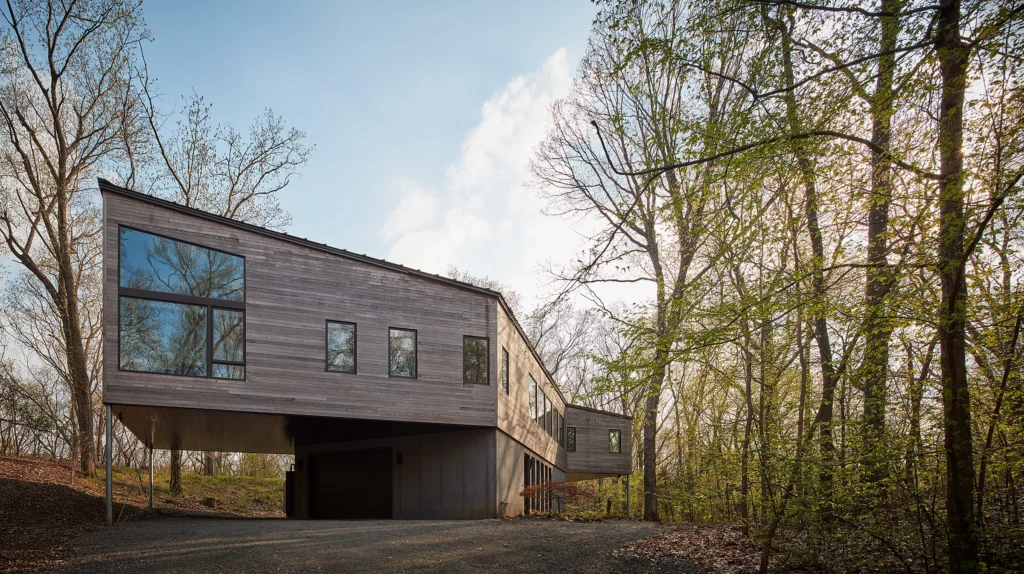
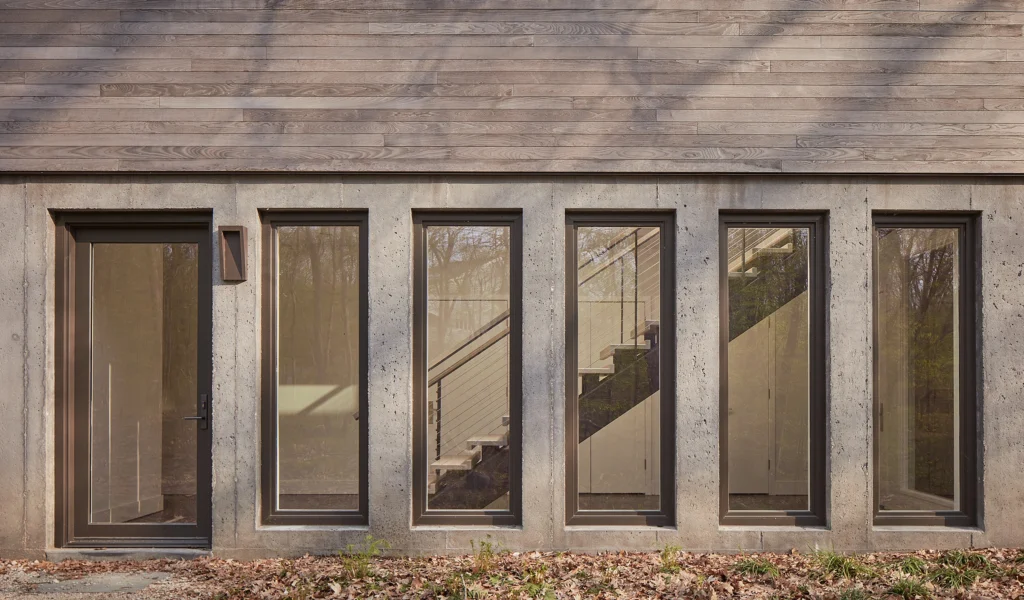
Located in a demanding coastal environment, the Dune Treehouse required a material that could withstand sun, salt air, rain, and snow while remaining true to the project’s environmental values.
Semple + Rappe Architects selected Thermory Benchmark Ash Cladding for its durability, longevity, and natural beauty.
As architect Scott Rappe explains:
“The use of Thermory allows us to have a high-performing, sustainable material that aligns with our values around environmental responsibility.”
The result is a structure that feels completely at home in its surroundings while minimizing maintenance and maximizing longevity.
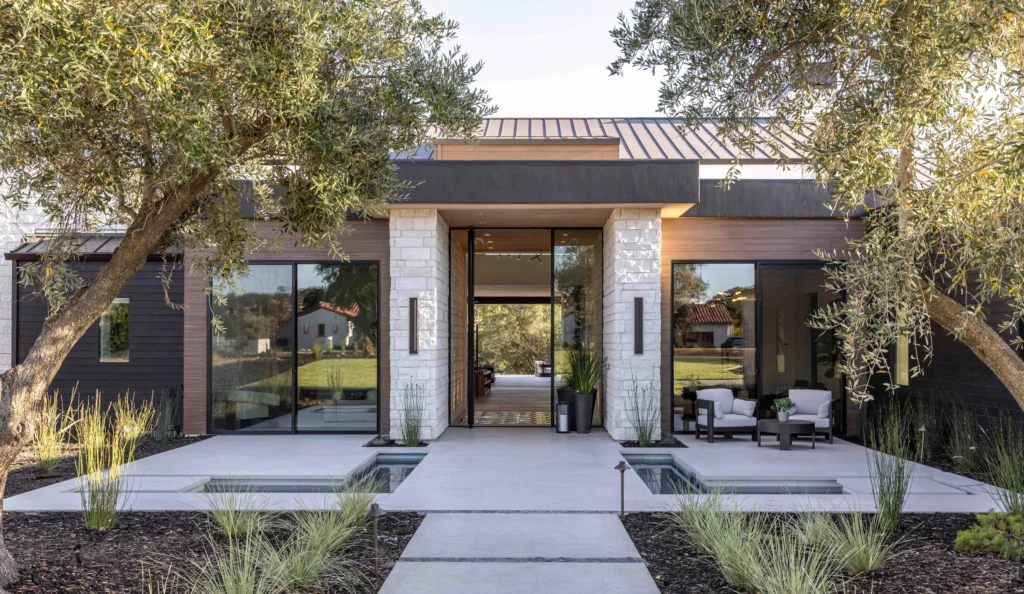
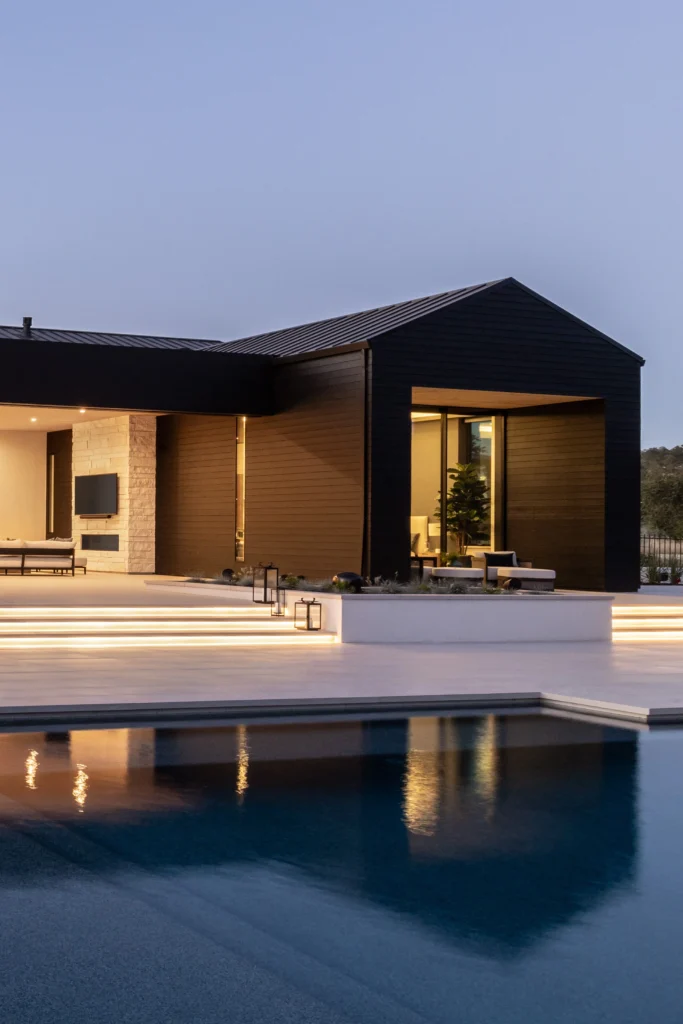
For the Rua Esperanza residence in Northern California, architect Rachel Hills wanted a home that felt both sleek and organic.
Ignite by Thermory became the missing piece.
“We are committed to using eco-friendly, sustainable materials in all our projects,” Hills explains. “It’s a luxury material that’s also environmentally responsible.”
The project demonstrates that premium architecture doesn’t have to sacrifice sustainability to achieve striking design.
Thermory | Unmatched Sustainability
True sustainability isn’t achieved with a single certification or marketing slogan.
It’s found in responsible forestry. Chemical-free manufacturing. Longer product life. Lower waste. Smarter transportation. Continuous improvement. And creating products people won’t need to replace every decade.
Ready to build with wood that’s designed to last? Explore Thermory’s sustainably sourced, thermally modified wood products, or reach out to our team to find the right solution for your next project.
Photo Credits: Ricky Batista Photography. Rachel Hills Design Company. Kat Alves Photography. Semple + Rapp Architects. Tom Harris Photography. Estkowski Construction. Caroline Vabrit.