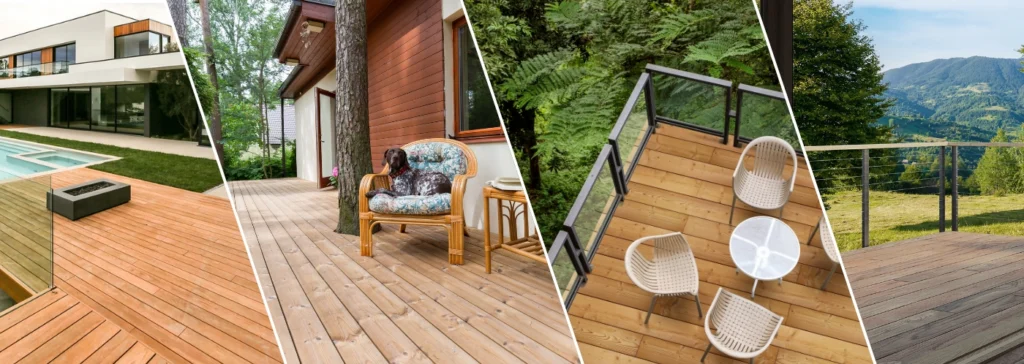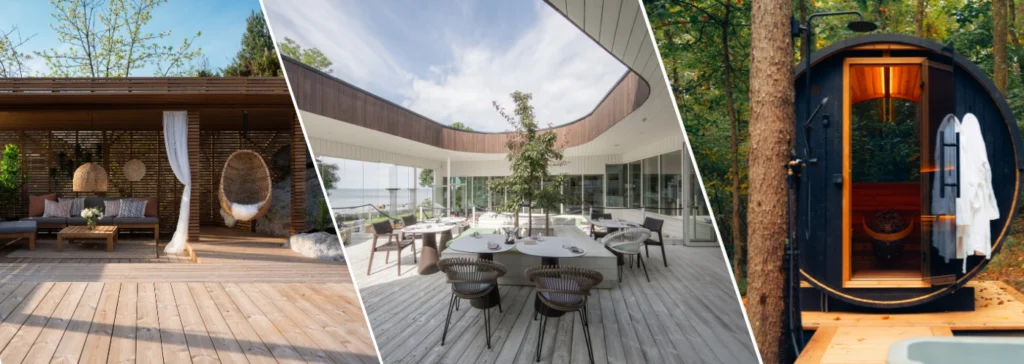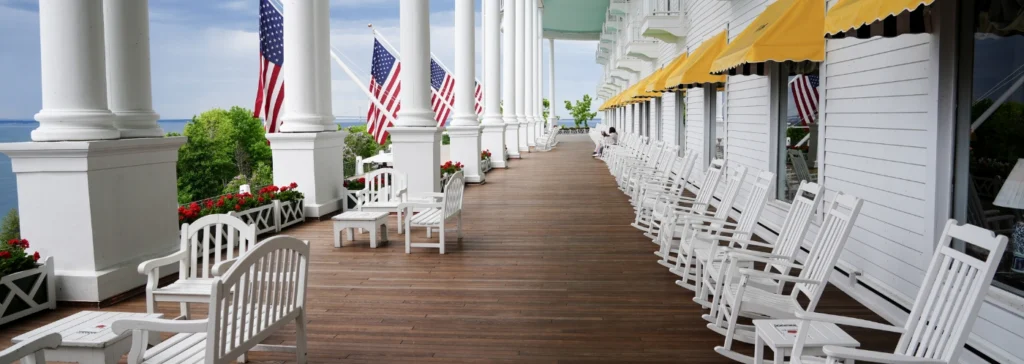
Choosing decking or cladding shouldn’t feel overwhelming.
Questions like these are incredibly common:
- Can I use my regular tools?
- What are the main differences between species?
- Which product is best for a screened porch?
- Should I hire a professional?
If you’ve asked any of these questions, you’re not alone.
The good news? Thermory is easy to work with—it simply performs differently than pressure-treated lumber or composite decking. Understanding a few key differences before you begin can help you choose the right product, install it correctly, and enjoy decades of beautiful performance.
Let’s simplify the process.
First: Is Thermory DIY-Friendly?
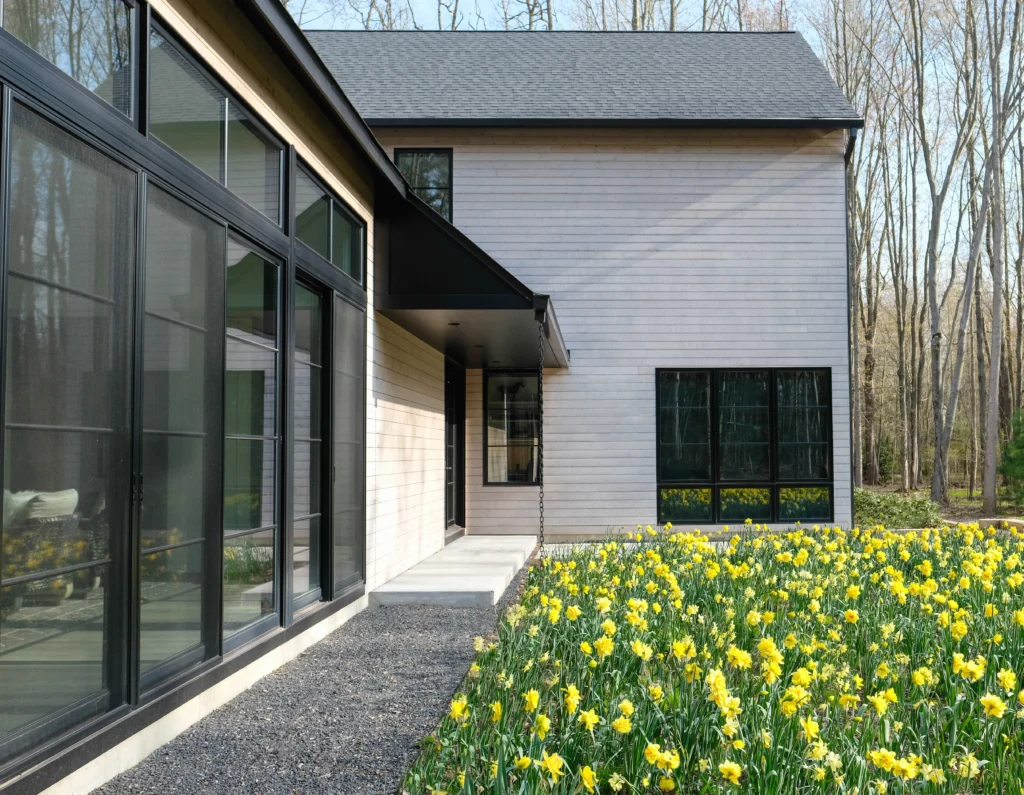
The short answer:
Yes!
If you’re comfortable installing quality hardwood decking or dimensional lumber, you’re already working with many of the same skills.
Thermory can be cut, drilled, ripped, and fastened using standard woodworking tools.
Most DIYers use:
- Circular saw
- Miter saw
- Drill/driver
- Hidden fastening systems
- Standard carbide blades
- Measuring and layout tools
Because thermal modification changes the wood (not the way you build with it), installation techniques remain familiar.
The biggest difference?
Precision matters. Thermory is manufactured to tighter tolerances than many traditional lumber products, making careful spacing and following installation guidelines more important than “forcing boards into place.” The result is a cleaner, more consistent finished project. Explore our installation guides.
Why More People Are Choosing Thermally Modified Wood
Pressure-treated lumber has long been the default option.
Composite decking has become increasingly popular.
But both involve compromises.
Thermally modified wood offers something different.
Through a chemical-free process using only heat and steam, Thermory permanently changes the wood’s cellular structure.
Our process dramatically improves:
- Moisture performance
- Longevity
- Maintenance compared to untreated wood
Because the wood absorbs significantly less moisture, it experiences much less swelling and shrinking than conventional lumber. Independent testing also shows thermal modification can reduce equilibrium moisture content by roughly 40–50%, helping improve long-term stability in changing weather conditions.
For homeowners, that means fewer seasonal surprises.
Which Thermory Product Is Right for Your Project?
This is where many buyers become overwhelmed. Let’s break down our collections.
You want a premium deck with a modern look.
Choose: Benchmark Ash

Best for:
- Rooftop decks
Why people choose it:
Benchmark Ash offers exceptional durability with beautiful hardwood character and excellent dimensional stability. It’s backed by a 25+ year rot resistance rating, making it one of Thermory’s highest-performing decking options.
You want natural warmth on a reasonable budget.
Choose: Benchmark Pine
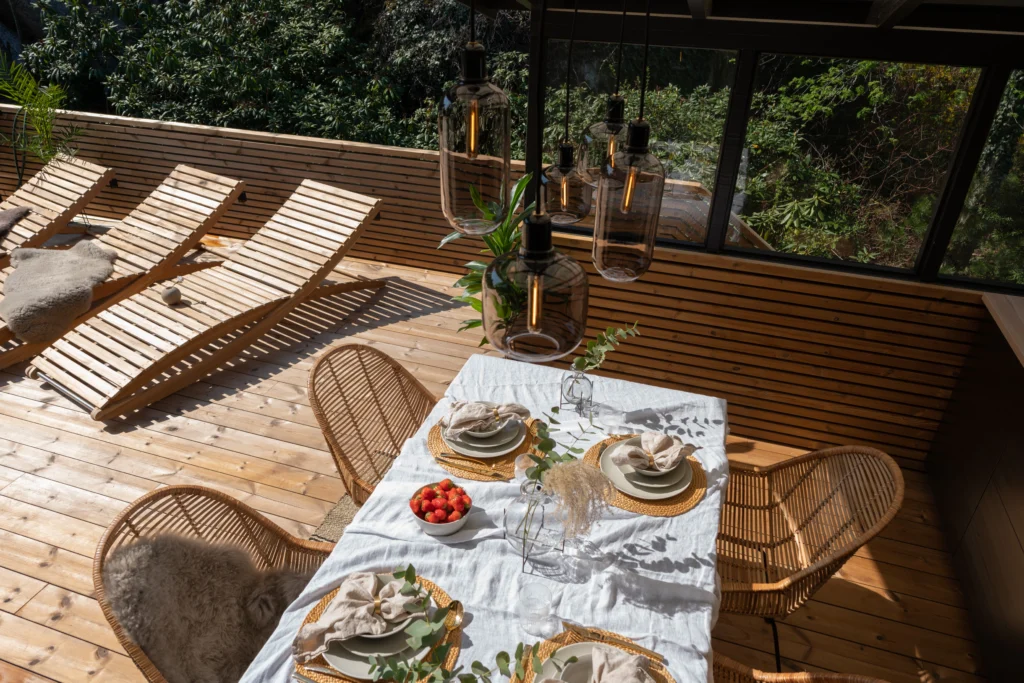
Best for:
- Backyard decks
- Family spaces
- Pergolas
- Accent walls
- Outdoor living areas
Benchmark Pine delivers the warmth of real wood while remaining one of Thermory’s most approachable product lines.
It also carries up to a 20-year rot resistance warranty, making it an excellent balance of value and long-term performance.
You want a clean, knot-free appearance.
Choose: Benchmark Clear Pine
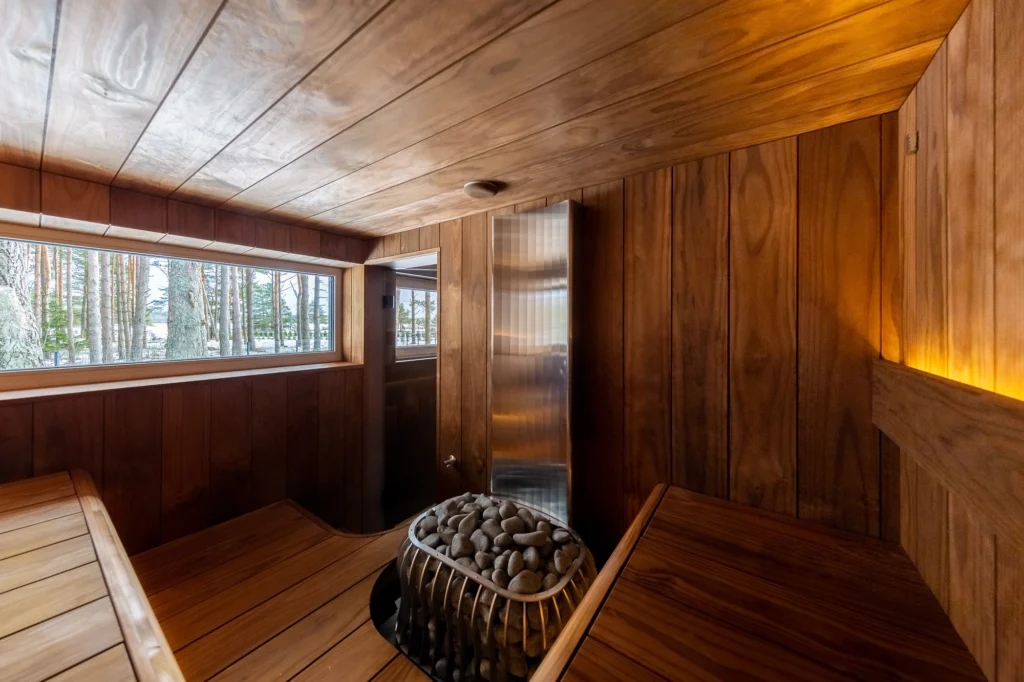
Ideal for:
- Modern architecture
- Covered porches
- Interior ceilings
- Feature walls
- Sauna projects
Its consistent appearance makes it popular wherever clean lines matter.
You want extra-wide rustic boards.
Choose: Kodiak Spruce
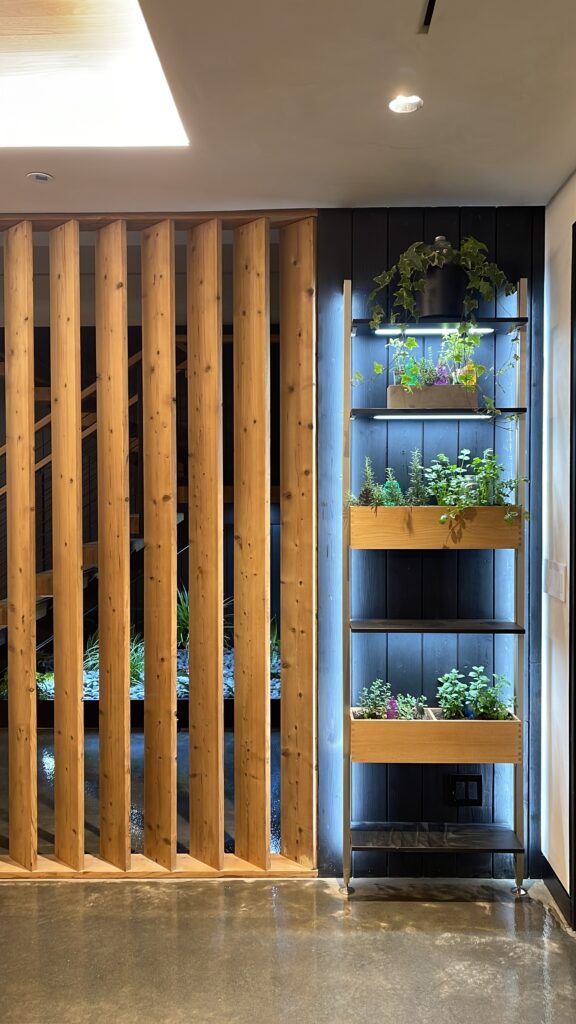
Best for:
- Cabins
- Mountain homes
- Large decks
- Statement walls
Its wide faces and natural character create a bold architectural look with fewer seams.
Looking for more options? Explore our full collections.
Covered Porch or Open Deck?
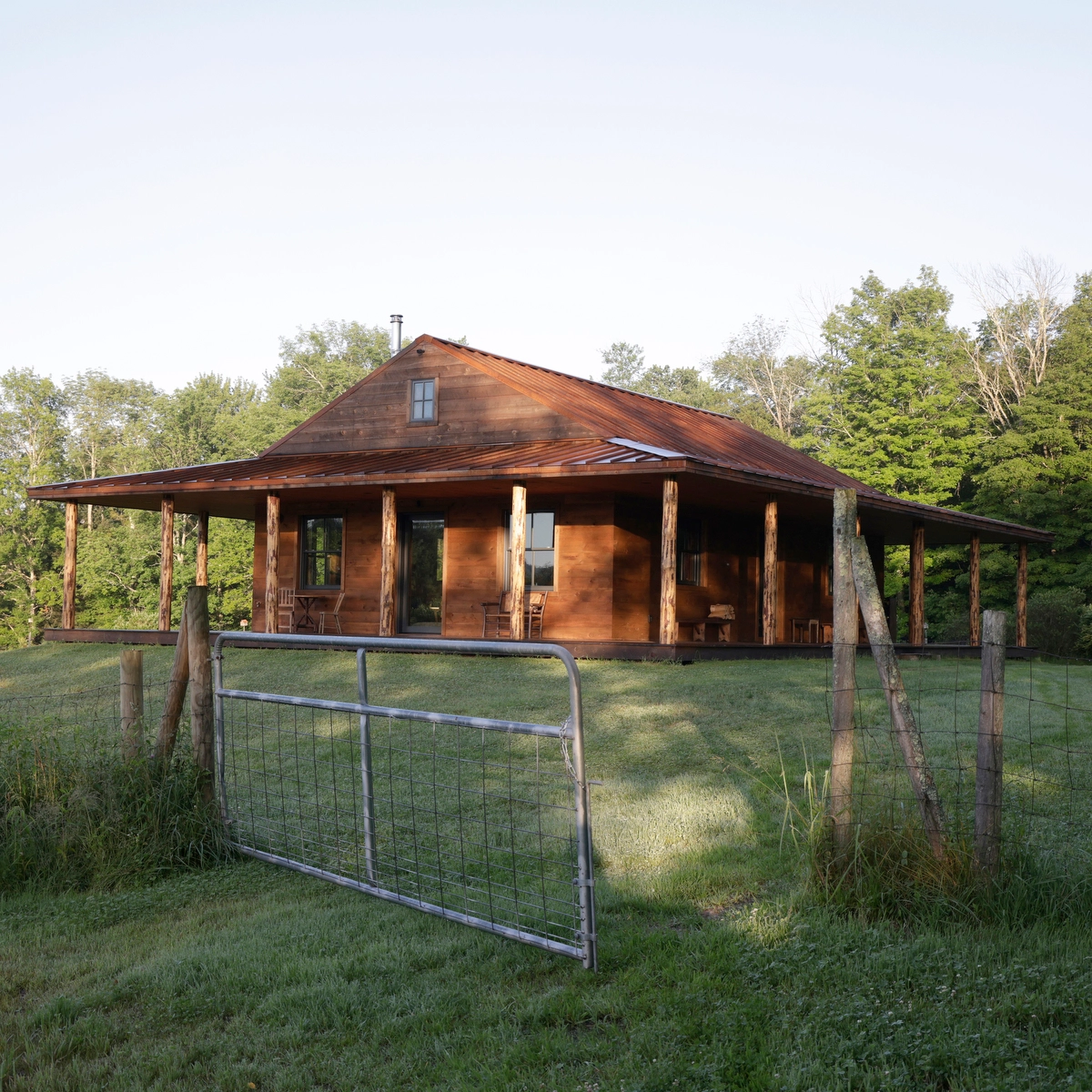
This is another common point of confusion.
A screened porch experiences very different conditions than an exposed deck.
Covered porches see less direct rain, reduced UV exposure, and more consistent moisture levels. Open decks often face full sun, rain, freeze-thaw cycles, and standing water.
Choosing the right profile and following proper installation practices helps maximize performance in either environment. When in doubt, your Thermory dealer can help match the product to your project’s specific exposure.
What About Color Changes?
Here’s one expectation every buyer should understand.
Real wood changes.
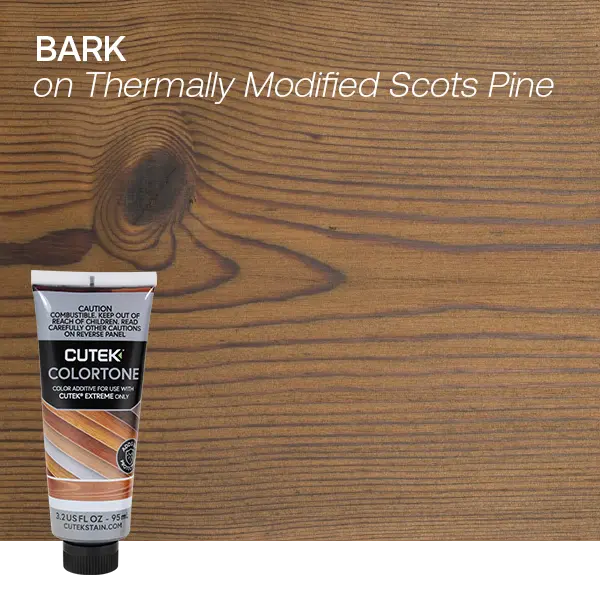
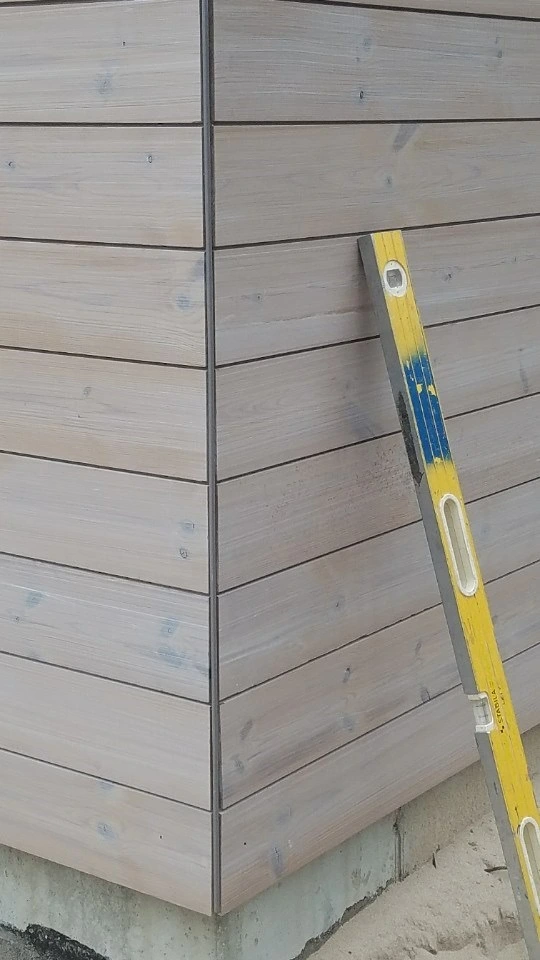
If left untreated, Thermory will naturally weather into a silver-gray patina over time.
Many homeowners love this look. Others prefer to preserve the original rich color. Fortunately, you have both options.
Applying a UV-protective maintenance oil helps retain the freshly installed appearance, while allowing the wood to weather naturally creates a timeless, low-maintenance aesthetic.
When Thermory May Not Be the Right Choice
We’re firm believers that the best projects start with the right expectations.
Thermory may not be your best fit if:
- You want absolutely zero natural color change without maintenance.
- You’re looking for the lowest upfront material cost.
- You aren’t willing to follow the recommended installation guidelines.
Like any premium building material, the best results come from choosing the right product for the right application.
Ask the Right Questions to See if Thermory is Right for You
Thermory isn’t difficult to install.
It’s simply different from traditional lumber—and understanding those differences before you begin makes all the difference. Whether you’re building a backyard deck, upgrading a screened porch, creating a pergola, or designing an outdoor retreat, selecting the right product comes down to a few simple questions:
- How much sun and weather will it see?
- What’s your preferred look?
- What’s your budget?
- Do you want the wood to weather naturally or maintain its original color?
Photo Credits: Brian Moss Photography Jaffe Architecture + Interiors. Aivo Kallas.