For decades, architects and builders have searched for materials that strike the right balance between sustainability, durability, and design freedom. The challenge has always been the same: many products solve one problem while creating another.
Pressure-treated lumber relies on chemical preservatives. Composite decking introduces plastics into outdoor spaces. Tropical hardwoods raise sourcing concerns. Even newer material technologies are often grouped together under the broad label of “sustainable.”
But not all sustainable materials are created equal.
At Thermory USA, we believe the future of wood is surprisingly simple:
Real wood. Heat. Steam. Nothing else.
Sustainability Starts with Simplicity
The greenest building material isn’t necessarily the one with the most complicated manufacturing process.
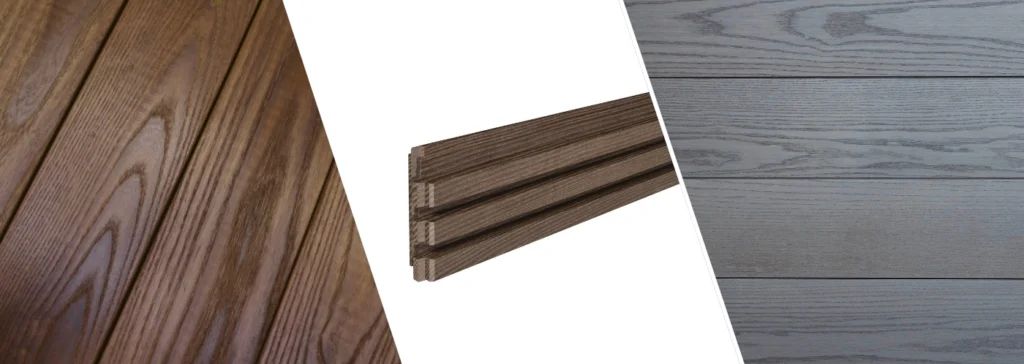
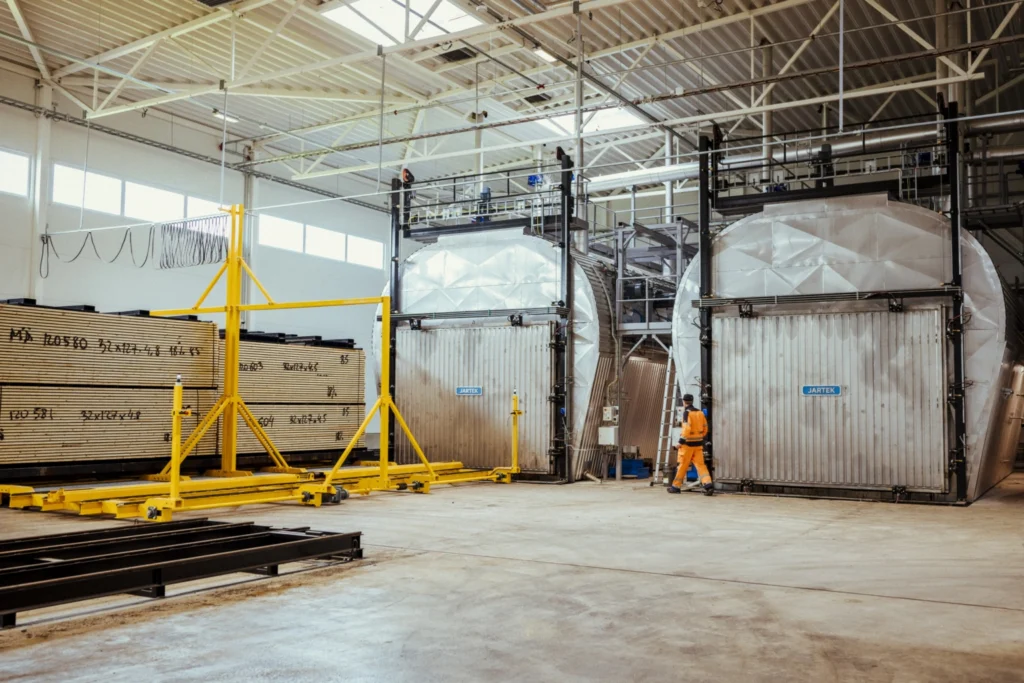
Our perfected thermal modification process uses only heat and steam to transform responsibly sourced wood into a highly durable, dimensionally stable material suitable for demanding exterior applications.
That means:
- No plastic
- No biocides
- No heavy-metal preservatives
- No chemical additives
Thermory is real wood that’s engineered by nature and improved through heat. It’s a simple story that’s becoming increasingly important as architects prioritize transparency in material selection.
Real Wood. Zero Plastic.
As sustainability conversations evolve, one distinction is becoming more important than ever:
Plastic content.
Many exterior building products marketed as “low maintenance” or “eco-friendly” still contain significant amounts of plastic.
Thermory doesn’t. Our plastic content = 0%.
That means no synthetic polymers, no microplastic concerns, and a product that maintains the authentic warmth and beauty only natural wood can provide. For projects pursuing healthier material palettes, that’s a meaningful difference.
Responsibly Sourced from the Start
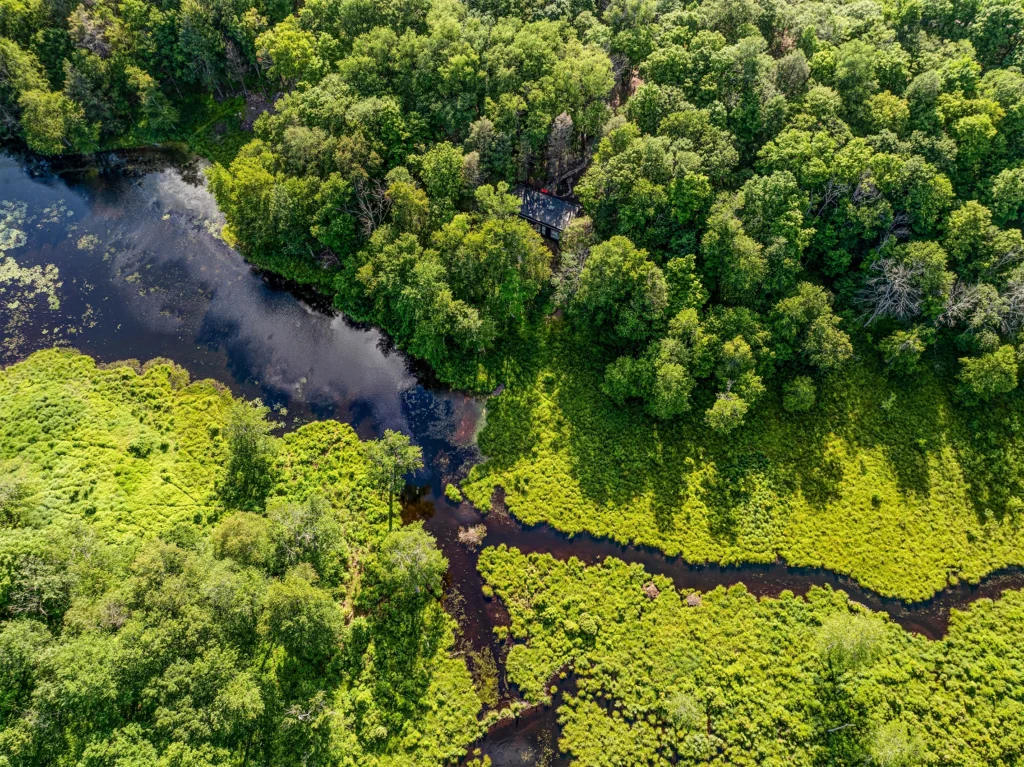
A sustainable product begins long before manufacturing.
We source our wood from responsibly managed forests, with products available carrying FSC® and PEFC chain-of-custody certifications. Responsible forestry helps ensure forests remain healthy for future generations while supporting biodiversity and long-term carbon storage.
Sustainable wood isn’t just about what happens at the mill—it’s about stewardship throughout the entire supply chain.
Durability Without Chemical Preservatives
One of the biggest misconceptions about wood is that durability requires chemicals, but we continually prove otherwise. Our thermal modification process permanently changes the wood’s cellular structure, dramatically reducing its ability to absorb moisture, the primary driver behind rot and decay.
The result is wood that offers:
- Excellent dimensional stability
- Reduced swelling and shrinking
- Improved resistance to rot
- Long-lasting performance in demanding climates
Thermory species are backed by 20+ or 25+ years of rot resistance, helping designers specify natural wood with confidence.
Built for Real-World Conditions
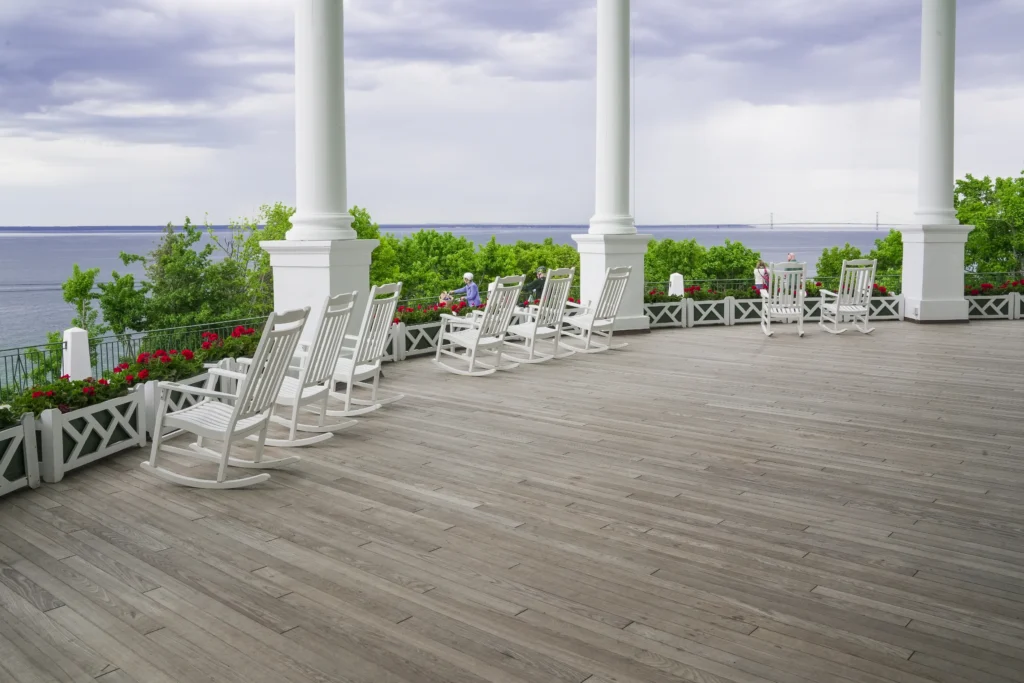
Architects aren’t just asking if a product is sustainable.
They’re asking:
- How does it perform in freeze-thaw climates?
- Can it handle coastal environments?
- What about pools?
- Rooftops?
- Commercial traffic?
- Wildland-Urban Interface (WUI) projects?
These are the questions that matter.
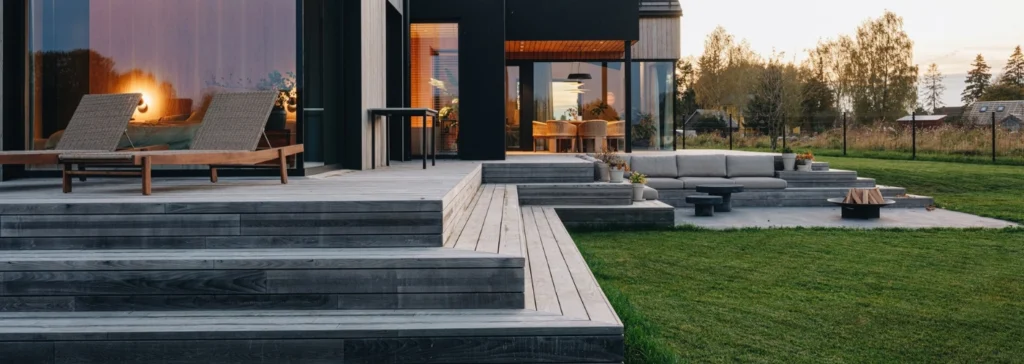
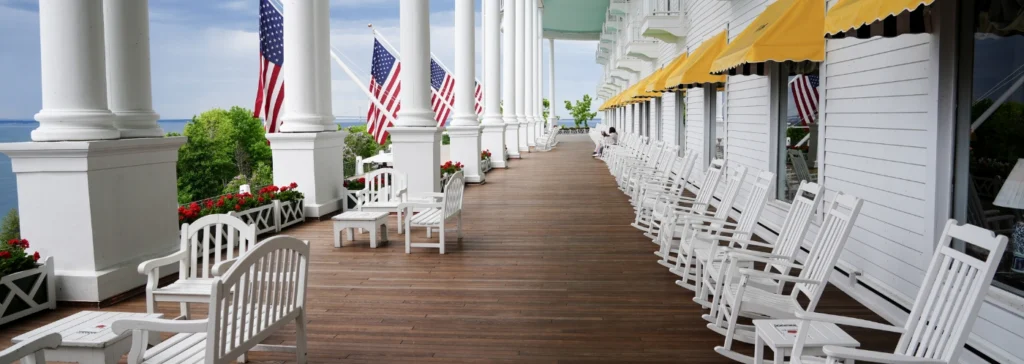
Thermory products have been installed in projects across the world – from luxury resorts and waterfront homes to commercial developments and public spaces – demonstrating that sustainability doesn’t have to come at the expense of performance.
Watch the video to learn more about the Grand Hotel Restoration project shown above. See how well it’s handling real world conditions and extreme temperature swings with CUTEK®.
Transparency Builds Trust
Today’s design professionals want more than marketing claims.
They want documentation.
Environmental Product Declarations (EPDs), Health Product Declarations (HPDs), responsible sourcing certifications, WUI-certifications, and third-party testing all play an increasingly important role in material selection.
The more transparent a product is, the easier it becomes to specify with confidence.
As sustainable design standards continue to evolve, clear documentation will matter just as much as beautiful, finished projects.
The Future Isn’t Composite. It’s Better Wood.
The conversation around sustainable building materials is changing. It’s no longer enough for a product to simply be “green.” Architects are looking deeper—asking about embodied carbon, chemical transparency, responsible sourcing, lifecycle performance, and long-term durability.
That’s where thermally modified wood stands apart.
With 0% plastic, no chemical preservatives, responsibly sourced certified wood, and decades of proven performance, Thermory represents a future where sustainability doesn’t require compromise.
It’s not about replacing wood. It’s about making wood better. Demand more from your materials.
Photo Credits: CUTEK®. Marita Mones. Ricky Batista Photography.