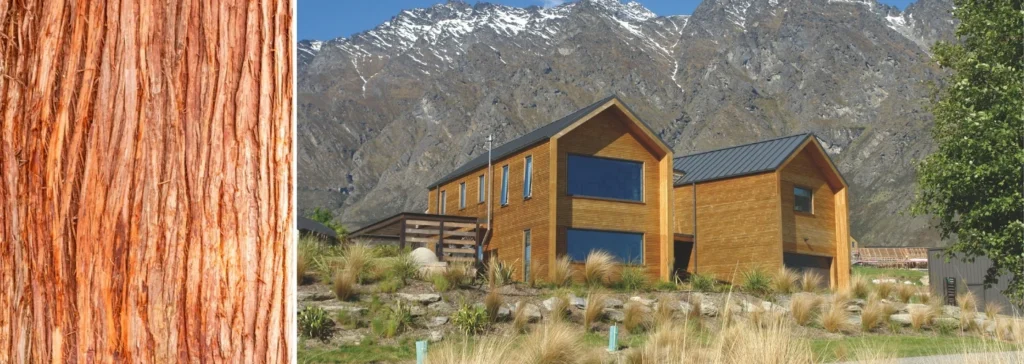
From coastal builds to mountain retreats, Western Red Cedar has long been the default. But as expectations rise — and materials evolve — so does the conversation.
We sat down with Steve Butler, Thermory’s Pacific Northwest Territory Manager, to talk about what he’s seeing in the field and why more builders are starting to rethink cedar.
1. You work in “Cedar country” — what are you seeing out there right now in the Pacific Northwest (PNW)?
Steve:
Cedar is huge in the PNW. It dominates siding and decking applications. For many customers, it’s simply the default. There’s a long-standing belief that cedar is the most naturally weather- and rot-resistant product you can source — and for a long time, that was largely true.
But here’s what’s different now: the fiber has changed.
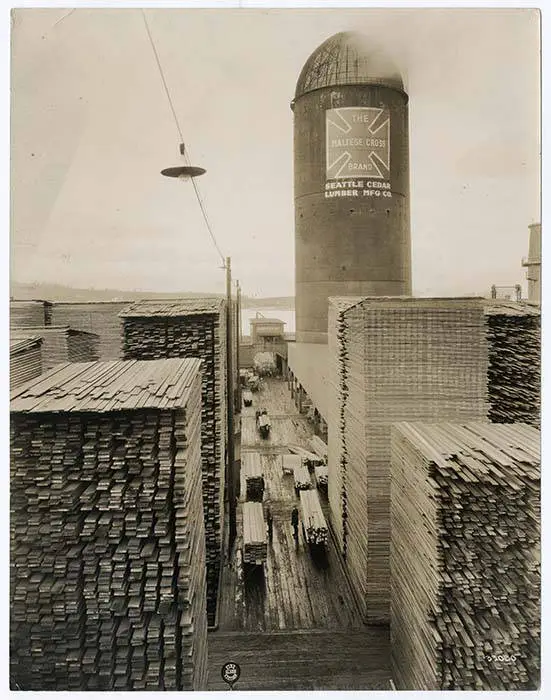
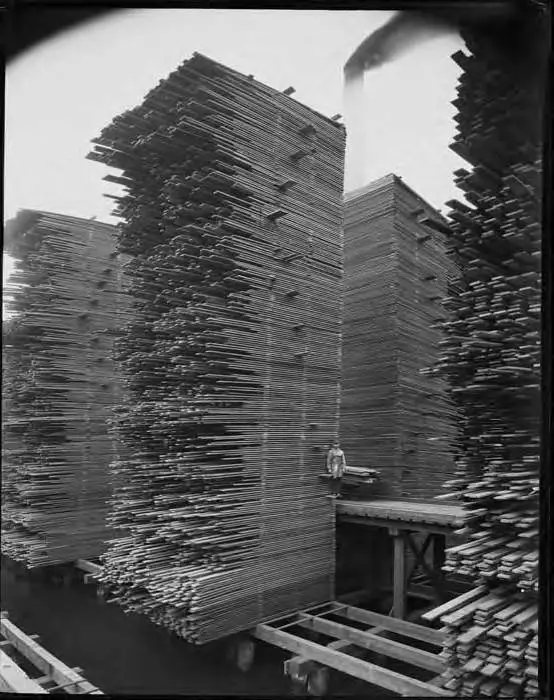
When Western Red Cedar was harvested from 300-year-old trees, it was naturally more stable and resistant to decay. Today, the average harvest age is closer to 80 years. That means wider growth rings and significantly less natural stability and rot resistance. A lot of customers don’t realize that what they’re buying today isn’t the same cedar their grandfather built with.
2. What are the biggest frustrations you hear from customers using cedar?
Steve:
The biggest frustration is performance not matching expectations. Customers assume cedar will behave a certain way — resist rot, stay stable, age gracefully. But in reality, they’re seeing more movement, more checking, and less consistency than they anticipated. On top of that, supply and pricing for Western Red Cedar can be erratic. Builders need predictability. Right now, cedar isn’t always delivering that.
3. When someone says, “I’ve always used cedar — why change?” how do you respond?
Steve:
I tell them that Thermory softwoods provide the advantages you expect from cedar — and then some. With thermally modified wood, you get durability, dimensional stability, and sustainability that are unmatched by other natural wood products. The thermal modification process enhances performance without chemicals. It creates predictable, consistent material.
I like to say: Thermory softwoods are real wood with a warranty. That usually gets their attention!
4. How does the PNW climate really put wood to the test?
Steve:
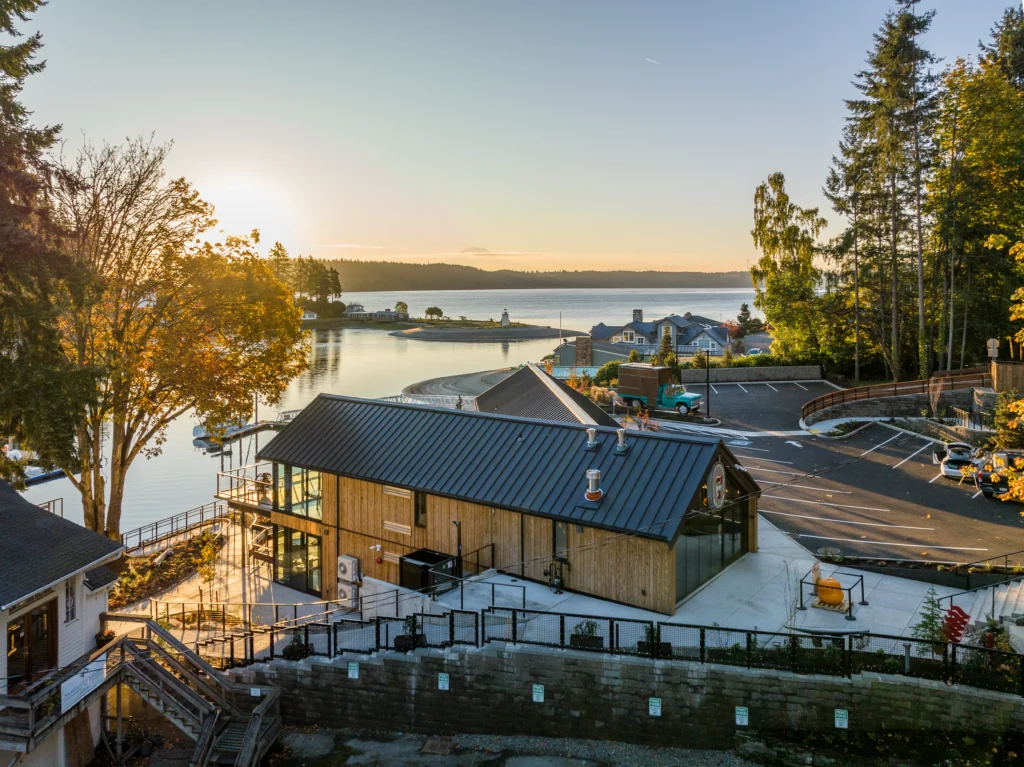
The PNW is tough on materials. Heavy moisture. Long wet seasons. Freeze/thaw cycles. Coastal salt air. All of it contributes to accelerated wear. And that moist environment? It’s ideal for mold growth. Here’s where thermal modification really shines. During the process, the sugars in the wood — the ones mold likes to feed on — are essentially cooked off. This makes Thermory products far more resistant to mold compared to untreated wood. In a climate like ours, that’s a big deal.
5. Are customers surprised when they see Thermory next to cedar?
Steve:
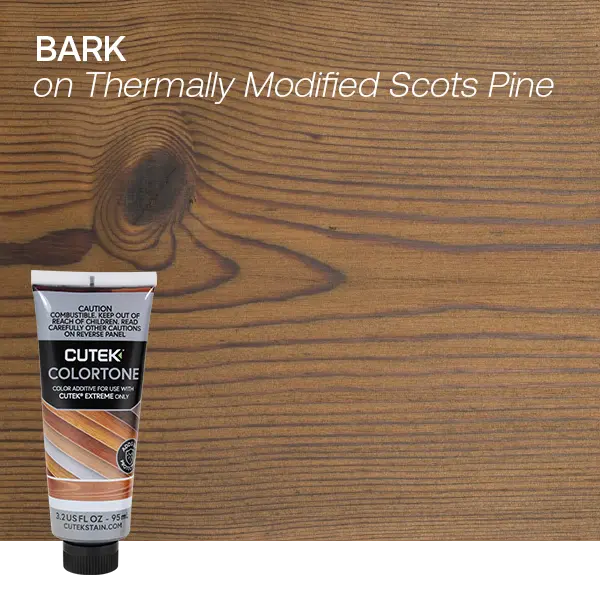
The first comment I usually hear is: “Wow — the color is so consistent.”
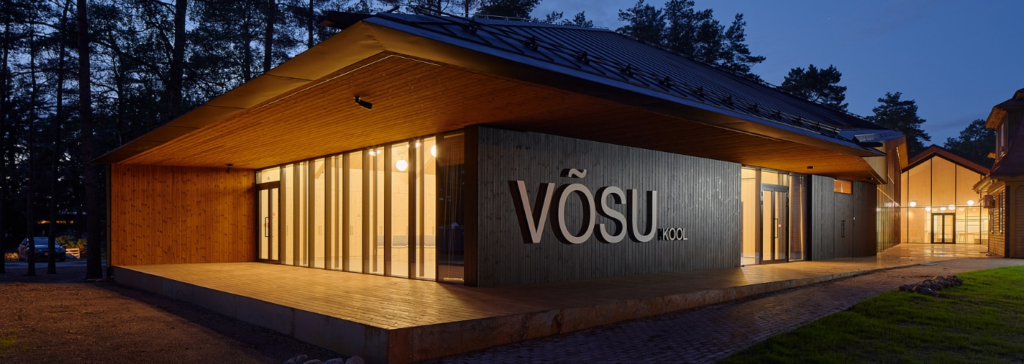
Architects, builders, and homeowners all notice it. They love the rich tones, the precise milling, and the clean, consistent grading. When boards fit together seamlessly and the color variation is controlled, the whole project just feels elevated. It’s not just performance, it’s aesthetics. And Thermory delivers both.
6. Which applications are switching from cedar to Thermory first?
Steve:
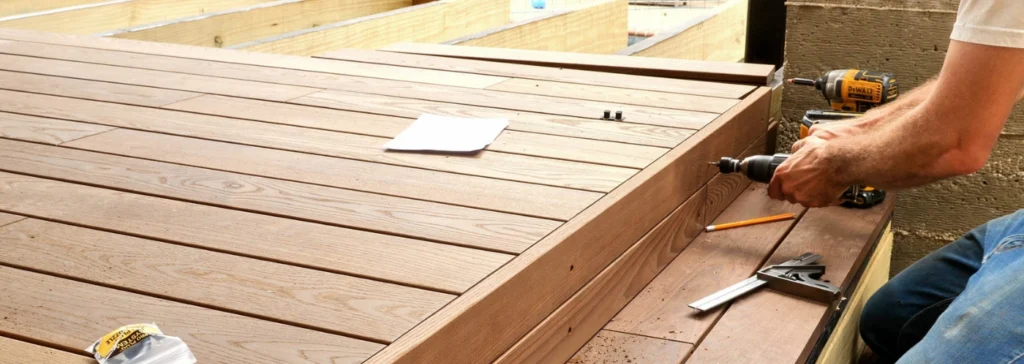
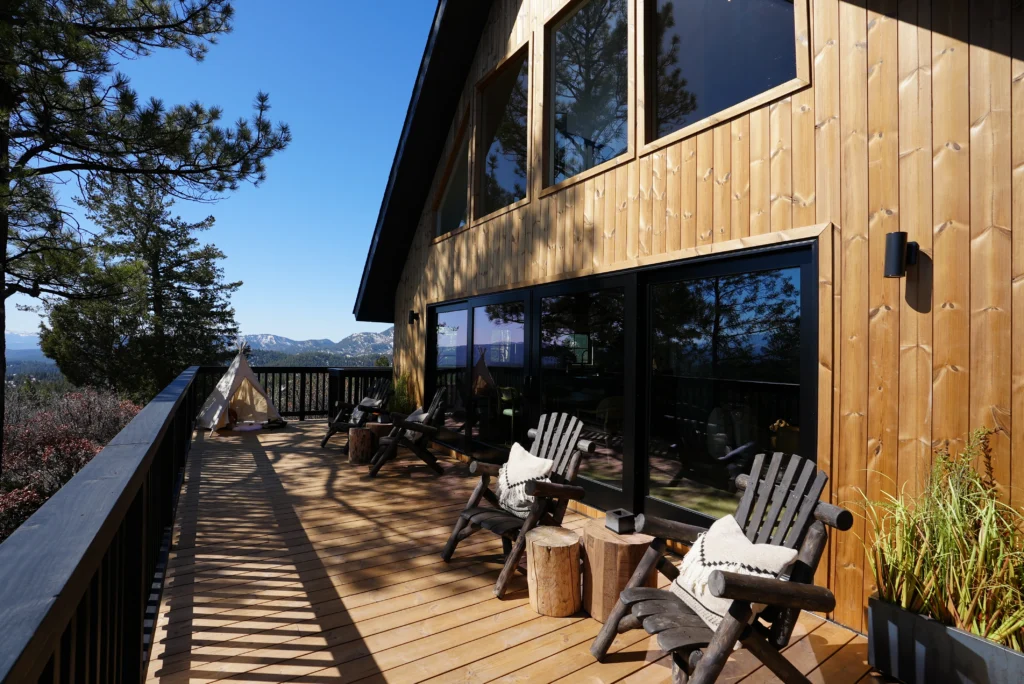
Cladding, without a doubt. The shift is largely performance-based. As I mentioned earlier, the available cedar fiber just isn’t what it used to be. In thinner cladding applications especially, cedar tends to cup, check, and move significantly more than our thermally modified products. Builders are realizing that if they want a stable façade that performs long-term, Thermory is the smarter choice.
7. How does the new Class A fire rating for Benchmark Pine play into your role in the PNW?
Steve:
While the PNW hasn’t mandated widespread fire codes yet, other parts of my territory absolutely have. The Rocky Mountain states, in particular, are in desperate need of stable, ignition-resistant products that satisfy new building codes.
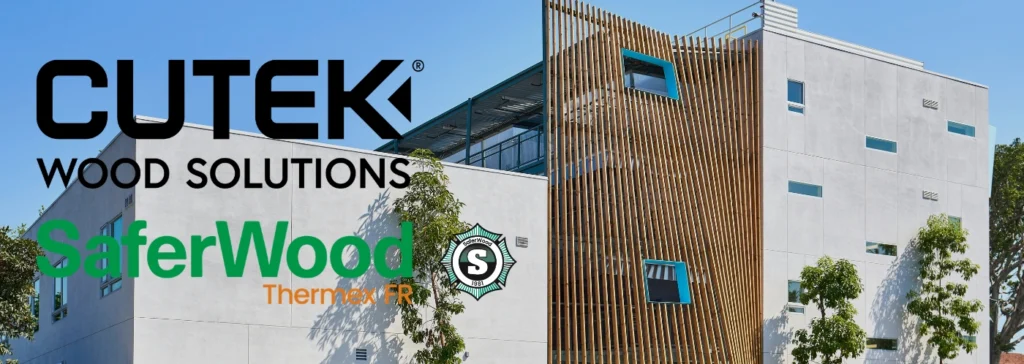
With Class A options now available — and more species coming — Thermory Benchmark Pine fills that gap. It gives builders a beautiful, natural wood solution that meets code requirements without sacrificing aesthetics.
Read more about our partnership with Chemco Inc. and their SaferWood treatment.
8. If you had to give one piece of advice to a builder who loves cedar but is open to something better — what would it be?
Steve:
Give us a try.
Thermory provides unmatched stability, sustainability, quality, and rot resistance — without the use of chemicals. No natural species can compete with the product we deliver through thermal modification.
If you love cedar for what it used to be, you’ll love Thermory for what it is today.
The Takeaway: Thermory is a Smarter Alternative to Cedar for Pacific Northwest Exteriors
Cedar may still dominate the Pacific Northwest conversation, but the expectations placed on wood have evolved — and so has the technology behind it.
As Steve sees it from the ground every day: builders don’t just want tradition anymore. They want performance, predictability, and peace of mind.
And increasingly, they’re finding it in Thermory.
Explore our collection for your next design.
Photo Credits: Picryl. Building Roots, HGTV. Heywood Chan, YE-H PHOTOGRAPHY.