In much of the world, sauna is treated as a luxury.
In Finland and much of Europe, it’s just… life.
At Thermory, most of our colleagues in Estonia grew up with saunas as familiar every day spaces. While saunas are considered spa upgrades or are part of the wellness movement in America, they are as common as kitchens or living rooms in Estonia. Saunas are where families gather, conversations happen, and routines are built. Long before “biohacking” or infrared panels entered the conversation, sauna was already doing what it has always done best: bringing people together.
To understand the roots of traditional Finnish sauna and why we build the way we do, it helps to start there — with the people who grew up inside the heat.
Sauna Before It Was Stylish
Hannes Tarn, Thermory Head of Development, remembers a time when sauna wasn’t optional — it was essential.
“During the Soviet era, there were few showers and bathtubs, so it was customary to go once a week to the public city sauna”, he shares. The space was practical and communal: stone benches, a washing room, metal basins filled with carefully mixed warm water. As a child, simply carrying the basin was a challenge. In the steam room, experienced bathers wore gloves and hats to endure the heat, striking their skin with birch branches to stimulate circulation.
“Even today, on Saturday mornings, regulars are waiting at 10 o’clock for the city sauna to open.” It isn’t about luxury and never was. It’s about cleansing, resilience, and ritual.
For Ragnar Koppel, Thermory Group CEO, sauna memories begin in the basement of a Soviet-era apartment building.
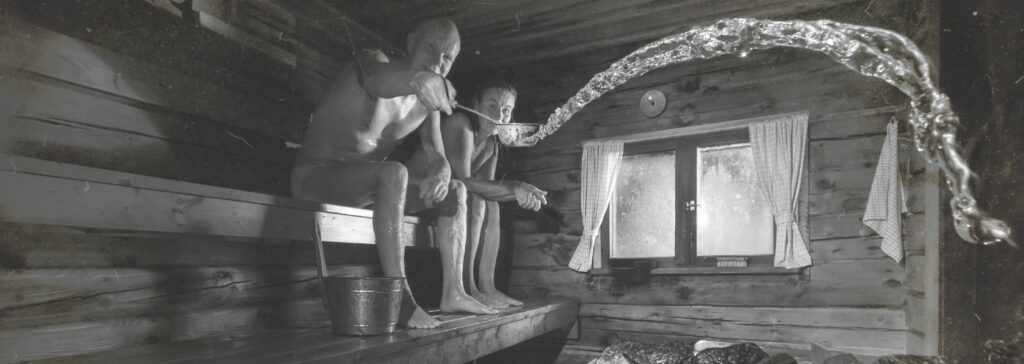
“My earliest sauna memories are from Soviet Union times, in the basement of our apartment building. It was a dark, windowless room, damp and worn, with a heavy heat that felt almost unbearable. As a child, I sat on the lowest bench, trying to survive the intensity while my grandfather, tough and stoic, sat higher up. He loved the heat and would throw ladle after ladle of water onto the stones, filling the air with thick, punishing steam.”
It wasn’t luxury. It was survival.
Today, sauna looks very different.
Now, it’s a weekly ritual that Ragnar shares with his family — a warm, welcoming space for conversation, quiet moments, and reconnection. Even the family dog joins in, stretched out comfortably on the floor. The heat is no longer something to endure, but something to enjoy.
That shift — from hardship to comfort — didn’t remove the soul of the sauna. It revealed it.
Heikki Tang, Thermory Sauna and Interiors, describes sauna as something so common, it barely needs explaining.
As a child, sauna meant parents, sisters, grandparents, and cousins together. The ongoing debate was always the same: who could handle the upper bench, and who still had to sit lower. The heat would build until someone finally burst out the door to jump into cold water or take an icy shower.
At summer houses or family homes, sauna didn’t require planning. Someone would casually ask, “Shall I heat up the sauna?” — as naturally as asking about dinner.
That’s the key difference many Americans don’t immediately recognize:
In sauna cultures, sauna isn’t a wellness activity. It’s just another room in the house.
What People Raised in Sauna Culture Want You To Know
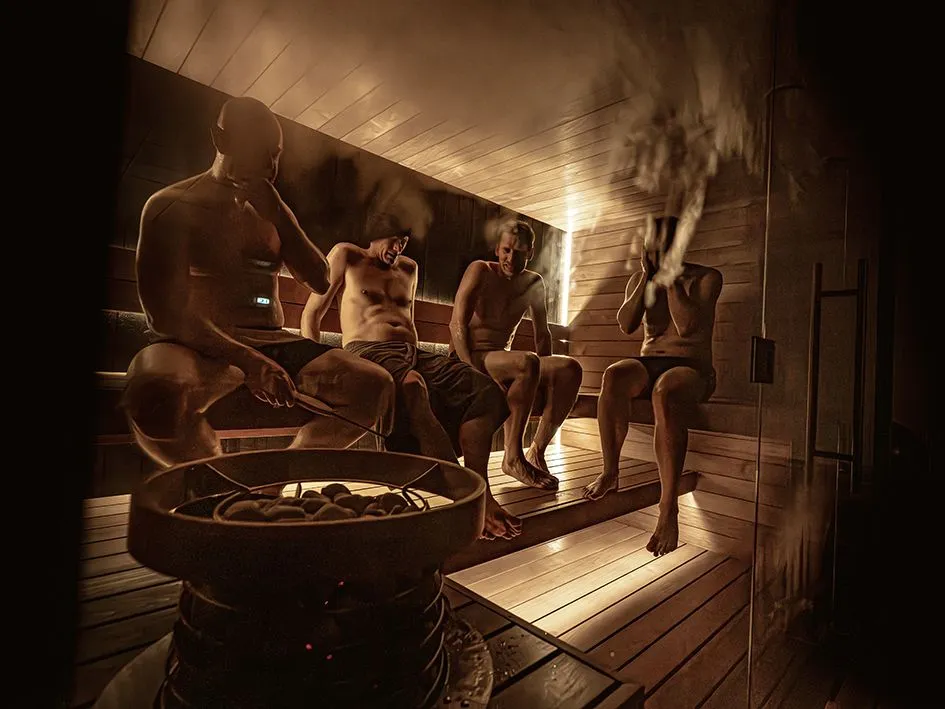
In many countries, sauna is explained through its benefits: recovery, detox, cardiovascular response, mental wellness.
But in sauna cultures, those outcomes were never the purpose. For generations, the sauna may have been the only place to bathe, or the quietest place to rest.
Traditional Finnish saunas are older than modern medicine. Hannes shares, “In Estonian tradition, people went to the sauna both for giving birth and for dying; it was the cleanest environment available in the countryside.”
Saunas are spaces shaped by culture, family, resilience, and time. They are rooms where stories were shared, where silence was respected, where generations sat shoulder to shoulder in the heat. For our European colleagues at Thermory, sauna isn’t a trend we adopted or a product we developed – it’s something we were raised with.
For us, sauna is simply home.